

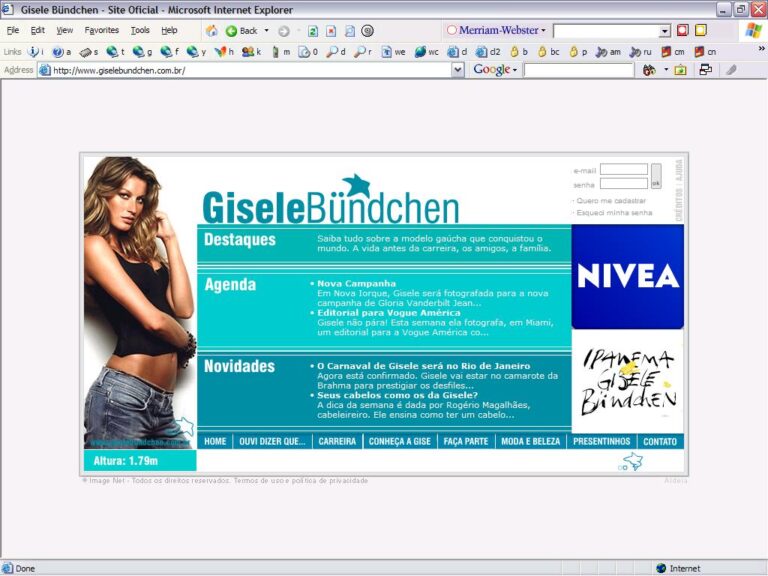
The project started in 2003, when broadband was limited and 100KB assets were already considered heavy. The core challenge was delivering a rich, media-heavy experience — with high-resolution photography, audio, video, and animations — in a technical environment that simply wasn’t built for it.
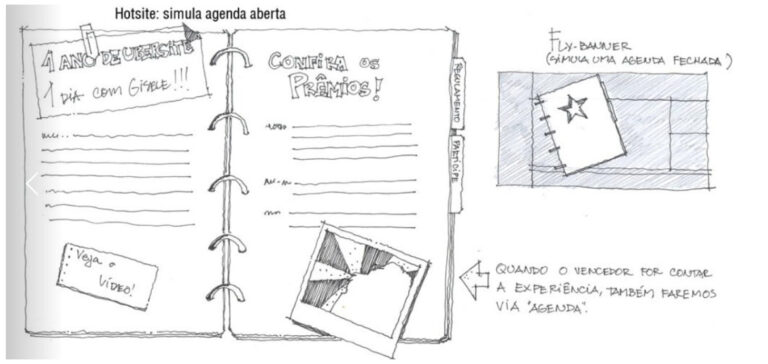
To make this possible, we relied heavily on preloading strategies, aggressive compression, and Flash-based interaction models. Performance was not a feature — it was a constraint that shaped every design decision. My role was to define the initial UX structure, interaction guidelines, and the technical direction required to support this immersive experience without compromising usability.
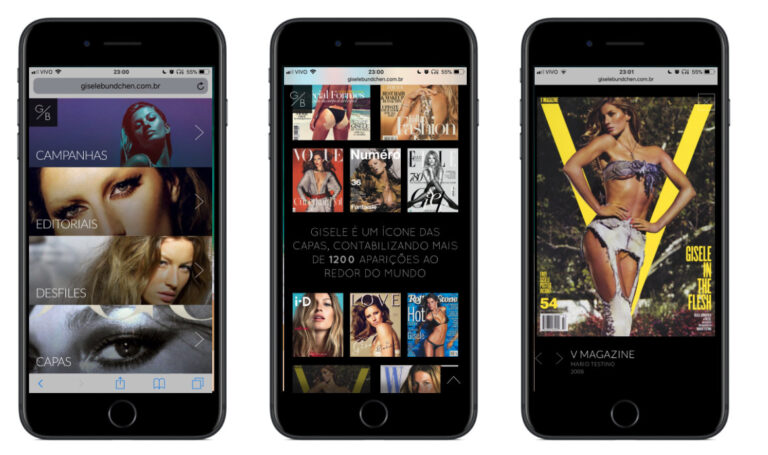
Years later, the biggest turning point came with the industry-wide transition from Flash to HTML-based technologies. Rebuilding the experience without sacrificing the visual identity and interaction richness was the most complex phase of the project. Looking back, one key learning stands out: the content architecture was highly subdivided, especially in photo galleries. Today, I would simplify the taxonomy and grouping strategy to reduce cognitive load and improve navigation clarity.
This was a highly collaborative project involving design, development, and content teams working closely over ten years, adapting to changes in technology, audience behavior, and Gisele’s career milestones — becoming a long-term digital asset rather than a static promotional website.
This project defined my approach to experience design under technical constraints — where performance, aesthetics, and brand storytelling must coexist.