Product and UX strategist with experience translating research and complex ecosystems into clear digital experiences.
Role: UX Researcher
Agency: Aldeia
Year: 2022
User Research for Relationship App
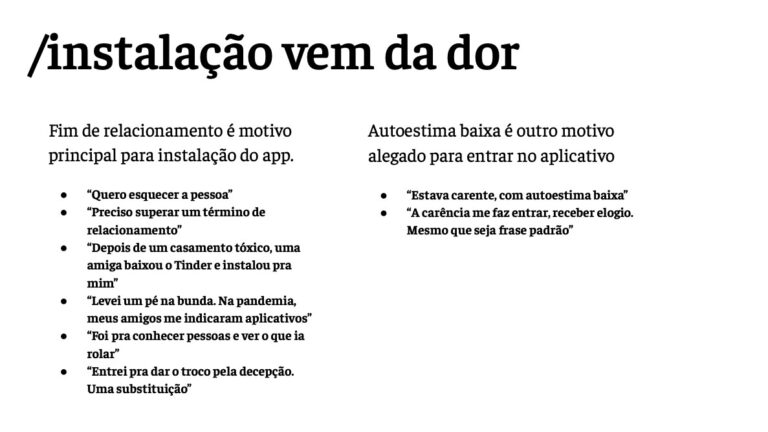
Bae Digital sought to better understand the emotional drivers behind modern relationships in order to refine its product positioning and user acquisition strategy. The challenge was to move beyond basic demographics and uncover deeper motivations, fears, and expectations people bring to dating platforms.
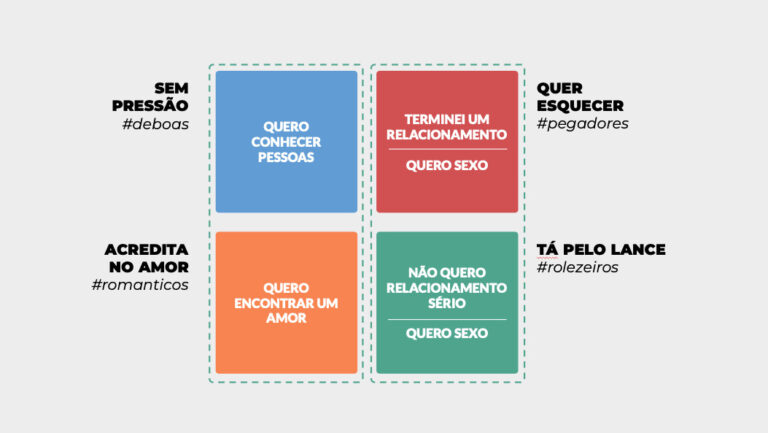
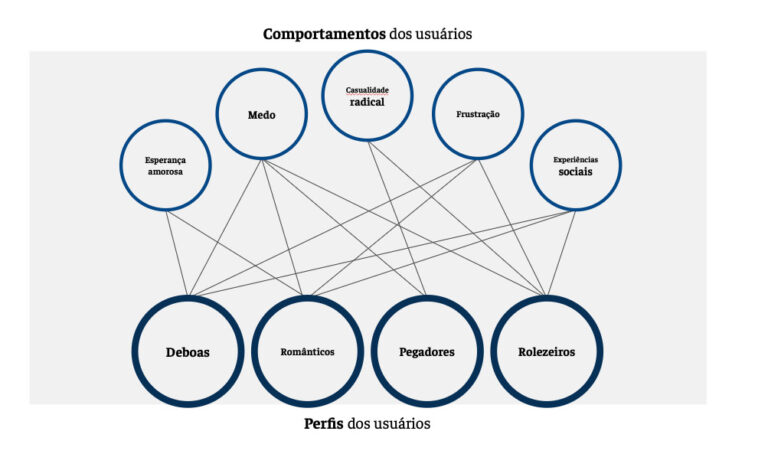
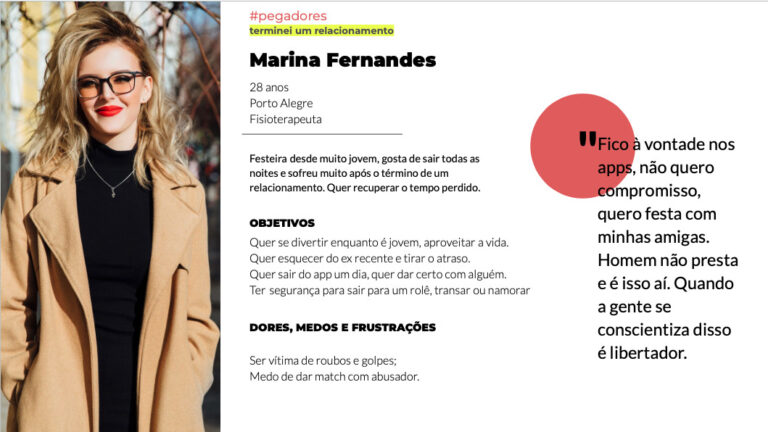
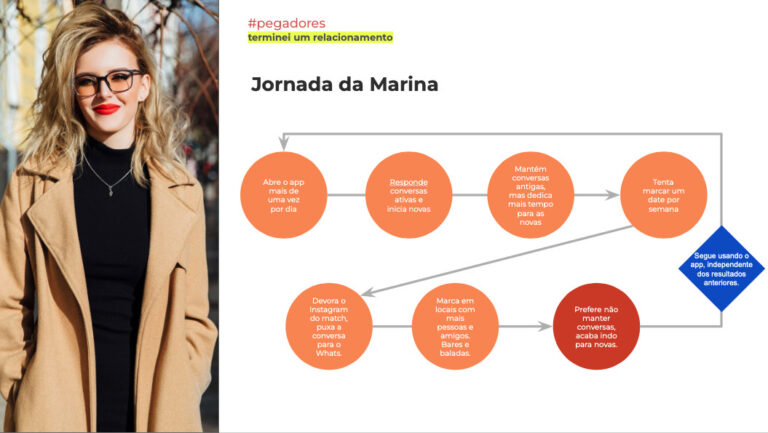
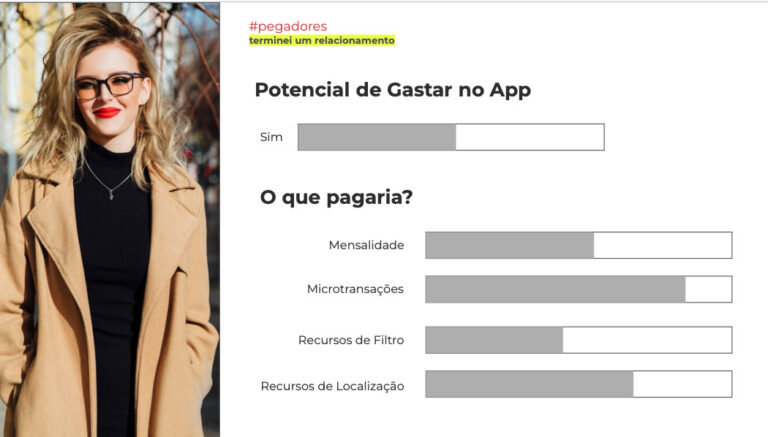
Working as part of a multidisciplinary team, we conducted qualitative research including ten in-depth interviews and three focus groups with different audience segments. The analysis revealed four distinct behavioral profiles, each reflecting different attitudes toward trust, vulnerability, and the search for meaningful connections in digital environments.
These insights helped clarify how different users interpret the idea of a “serious relationship” within a dating platform and provided a foundation for more targeted acquisition strategies and product messaging aligned with Bae Digital’s mission of fostering safe and meaningful relationships.
Role: UX Strategist
Agency: Aldeia
Year: 2016
Sebrae-RS — Digital Presence Strategy
The project aimed to define a new digital presence concept for Sebrae-RS, aligned with the organization’s national positioning while reflecting the specific characteristics and needs of the entrepreneurial ecosystem in Rio Grande do Sul. The challenge was to gain a deep understanding of the institution’s strategic audiences and translate these insights into clear guidelines for the development of its digital initiatives.
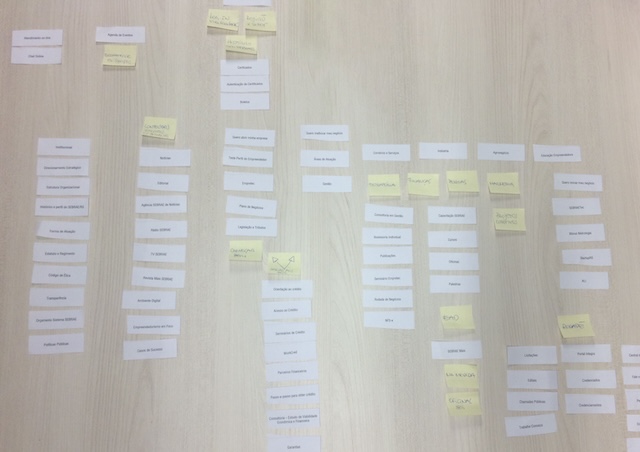
Working in collaboration with professionals from different disciplines, I contributed to research with key audiences, applied methods such as netnography and card sorting to map mental models and content relationships, and delivered a presentation to Sebrae-RS leadership exploring new perspectives for digital communication.
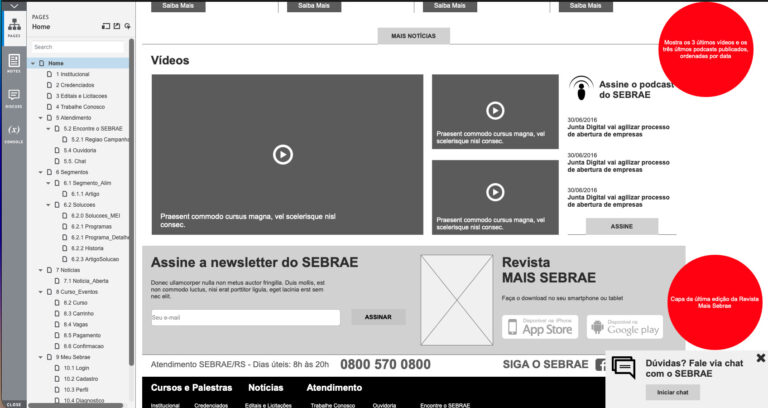
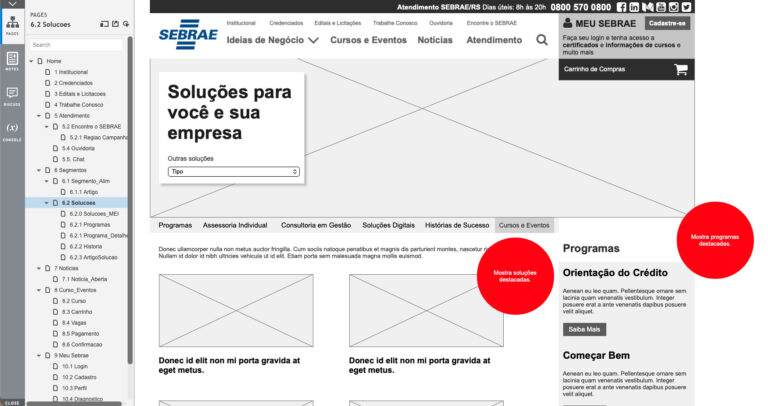
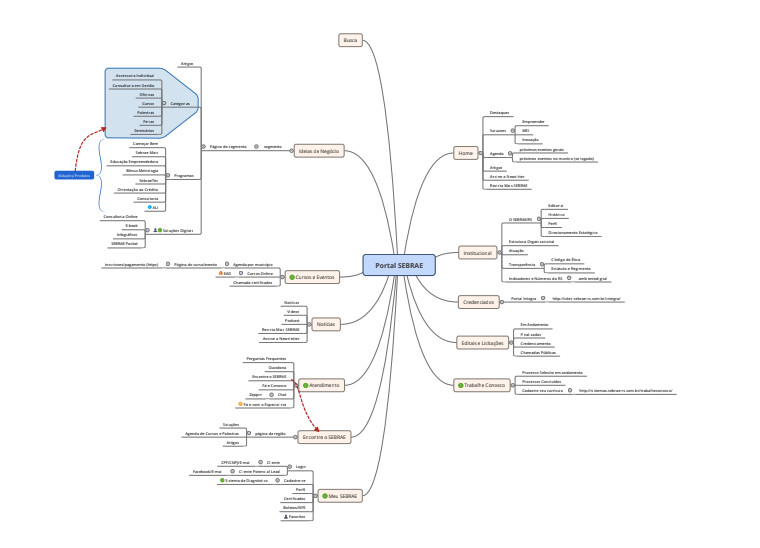
Based on these insights, I helped structure the planning of Sebrae-RS’s new portal, defining experience guidelines, information architecture, and initial wireframes to support the future development of the platform.
Role: UX Designer
Agency: Aldeia
Year: 2003-2013
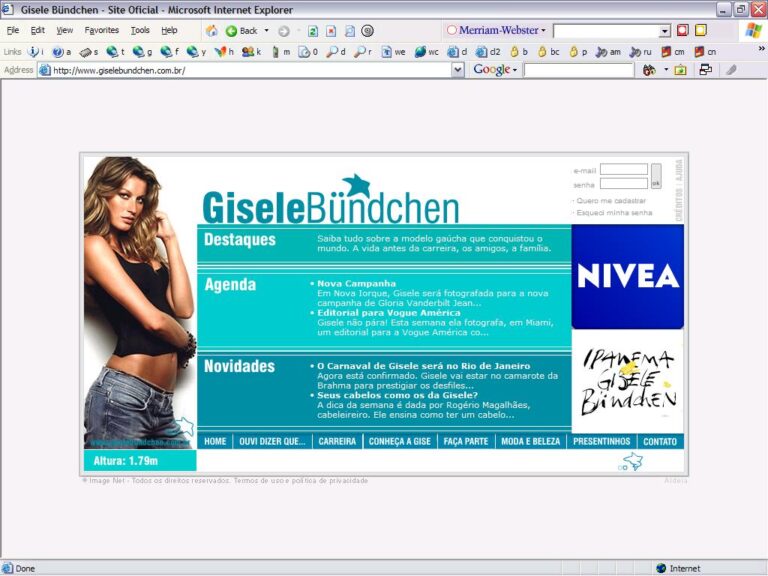
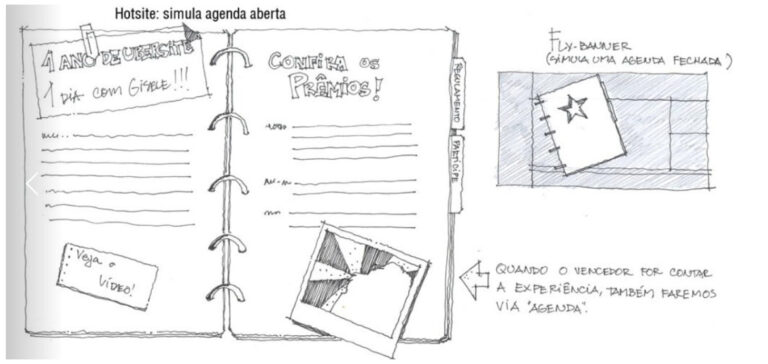
Gisele Bündchen – Digital Platform Evolution (2004–2013)
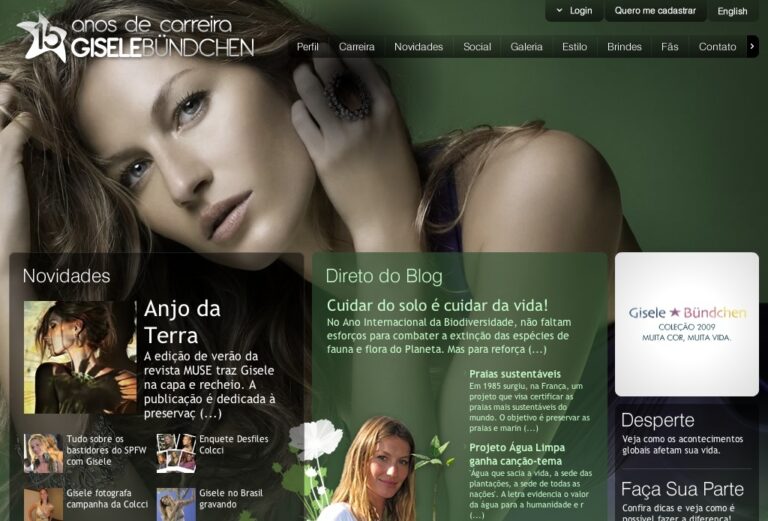
The project started in 2003, when broadband was limited and 100KB assets were already considered heavy. The core challenge was delivering a rich, media-heavy experience — with high-resolution photography, audio, video, and animations — in a technical environment that simply wasn’t built for it.
To make this possible, we relied heavily on preloading strategies, aggressive compression, and Flash-based interaction models. Performance was not a feature — it was a constraint that shaped every design decision. My role was to define the initial UX structure, interaction guidelines, and the technical direction required to support this immersive experience without compromising usability.
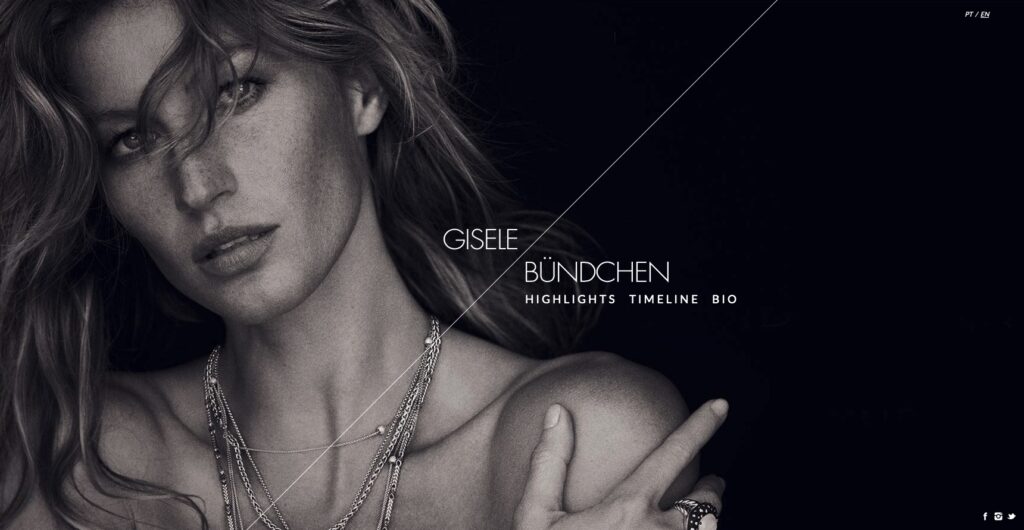
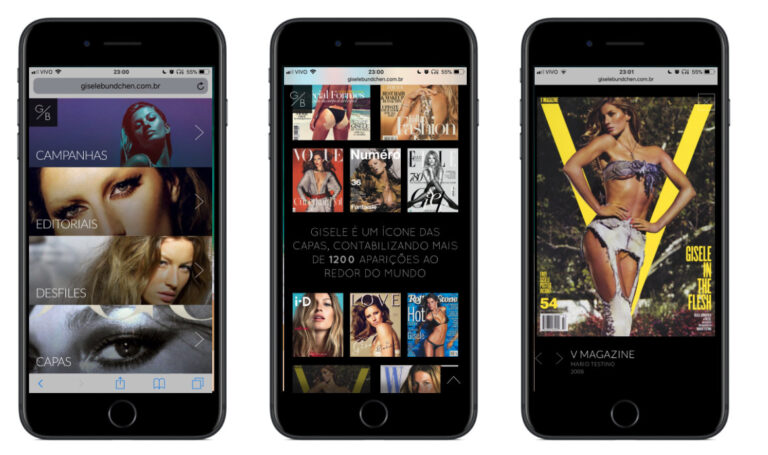
Years later, the biggest turning point came with the industry-wide transition from Flash to HTML-based technologies. Rebuilding the experience without sacrificing the visual identity and interaction richness was the most complex phase of the project. Looking back, one key learning stands out: the content architecture was highly subdivided, especially in photo galleries. Today, I would simplify the taxonomy and grouping strategy to reduce cognitive load and improve navigation clarity.
This was a highly collaborative project involving design, development, and content teams working closely over ten years, adapting to changes in technology, audience behavior, and Gisele’s career milestones — becoming a long-term digital asset rather than a static promotional website.
This project defined my approach to experience design under technical constraints — where performance, aesthetics, and brand storytelling must coexist.
Role: Digital Strategist (Content & Research)
Agency: Aldeia
Year: 2023
SAP Labs LA – Strategic Content Planning
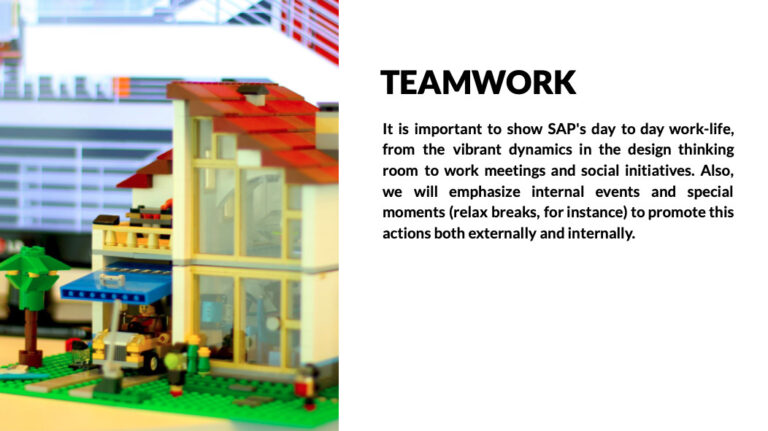
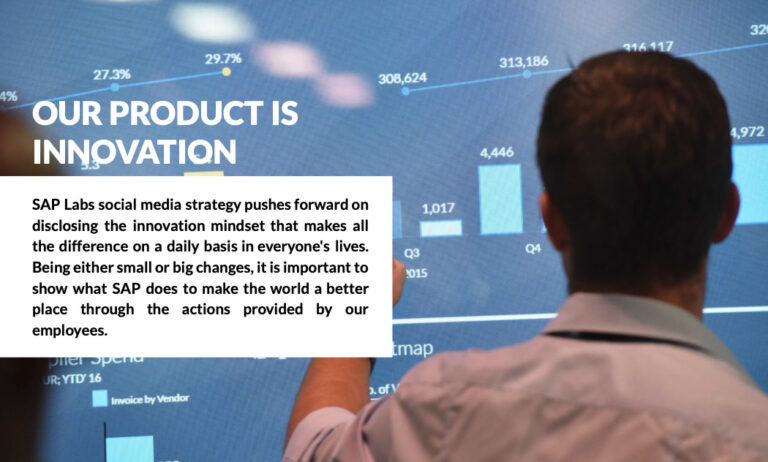
SAP Labs LA needed a structured approach to produce relevant content aligned with both its strategic objectives and the interests of its target audience. The challenge was to identify themes and narratives that could connect complex technology topics with the real concerns of professionals in the enterprise ecosystem.
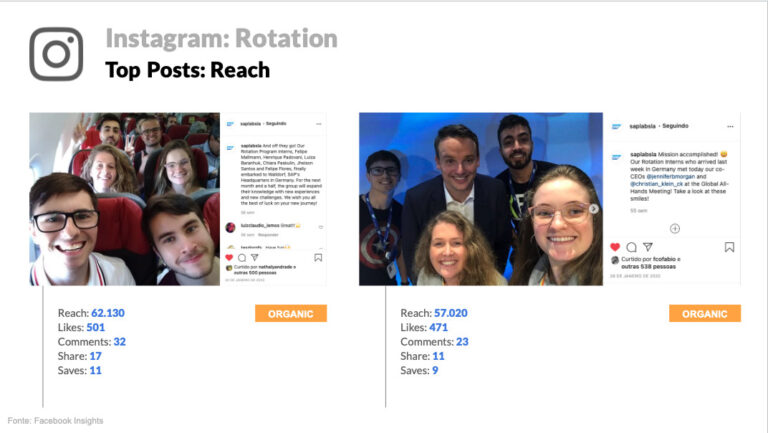
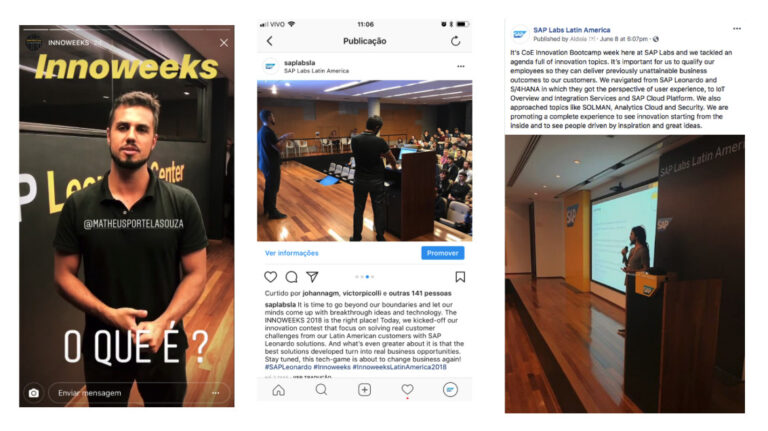
Working as part of a multidisciplinary team, my role focused on research and strategic content planning. I produced monthly analytical reports that informed the editorial agenda for the following months, combining insights from interviews and on-site visits with SAP Labs teams alongside curated monitoring of industry blogs and specialized publications relevant to the brand’s audience.
These insights helped shape a consistent and informed content pipeline, ensuring that communication remained aligned with SAP’s strategic positioning while staying relevant to the evolving interests and challenges of its professional community.